A Frequency Analysis of the Professional Quality of Life of NeuroAffective Relational Model (NARM) Therapists after NARM Training
Jennifer Vasquez 1,*
 , April C. Bowie-Viverette 2
-
Texas State University, 601 University Dr, San Marcos, TX 78666, USA
-
University of North Alabama, 1 Harrison Plaza, Florence, AL 35632, USA
* Correspondence: Jennifer Vasquez
Academic Editor: Marianna Mazza
Special Issue: Special Edition on Emotion Regulation, Resiliency, and Mental Health and Well-being
Received: July 25, 2025 | Accepted: December 30, 2025 | Published: January 04, 2026
OBM Integrative and Complementary Medicine 2026, Volume 11, Issue 1, doi:10.21926/obm.icm.2601001
Recommended citation: Vasquez J, Bowie-Viverette AC. A Frequency Analysis of the Professional Quality of Life of NeuroAffective Relational Model (NARM) Therapists after NARM Training. OBM Integrative and Complementary Medicine 2026; 11(1): 001; doi:10.21926/obm.icm.2601001.
© 2026 by the authors. This is an open access article distributed under the conditions of the Creative Commons by Attribution License, which permits unrestricted use, distribution, and reproduction in any medium or format, provided the original work is correctly cited.
Abstract
Research shows that trauma therapists often experience secondary trauma, which can lead to secondary traumatic stress, compassion fatigue, and burnout. Trauma-informed care training has shown promise in enhancing practitioners' professional quality of life, particularly for those regularly exposed to trauma. To our knowledge, no prior studies have examined the training outcomes of NeuroAffective Relational Model (NARM) therapists on professional quality-of-life indicators. This cross-sectional observational study assessed the professional quality of life among NARM therapists in the United States (n = 13) using the ProQOL 5 scale. Descriptive findings indicated that therapists reported moderate levels of compassion satisfaction ($\mathrm{\bar{x} }$ = 36.92), burnout ($\mathrm{\bar{x} }$ = 23.46), and secondary traumatic stress ($\mathrm{\bar{x} }$ = 23.54). Although limited by a small sample size and the inability to establish causality, this study provides preliminary insights into the professional well-being of NARM therapists. These findings may help trauma therapists and training providers better understand typical ranges of compassion satisfaction, burnout, and secondary traumatic stress among clinicians working with relational and developmental trauma models, and identify areas where additional support or training could be helpful.
Keywords
Secondary trauma; compassion fatigue; compassion satisfaction; burnout; NARM; NeuroAffective Relational Model; trauma; training
1. Introduction
Mental health professionals working with trauma-exposed clients often experience vicarious effects, including compassion fatigue, secondary traumatic stress, and burnout [1,2,3]. Although these responses may not meet the diagnostic criteria for PTSD, many symptoms overlap, particularly avoidance, intrusive thoughts, and emotional exhaustion [4,5]. For example, in the homeless services sector, workers exhibit high levels of secondary trauma and burnout due to repeated exposure to client distress [6].
Conversely, clinicians may also experience compassion satisfaction, the positive sense of meaning derived from helping others [4,7]. Compassion satisfaction has been shown to protect against burnout and secondary traumatic stress across various helping professions [7,8]. Trauma-informed professional development also appears to enhance clinician well-being and reduce turnover [9,10]. Supporting the professional quality of life of trauma therapists requires comprehensive organizational and training supports grounded in empirical evidence.
Research highlights the protective effects of general clinical training and trauma-specific education in mitigating the negative impacts of trauma work. Clinicians who participate in specialized training in trauma-focused interventions report higher compassion satisfaction and lower burnout than those without such training [9,11]. Engagement in ongoing education, clinical consultation, and skills-based workshops can strengthen resilience and reduce professional isolation [12,13]. Furthermore, training improves perceived competence and professional efficacy, both of which are recognized buffers against burnout and emotional exhaustion [14,15].
This exploratory study examines whether clinicians trained in the NeuroAffective Relational Model (NARM) report positive outcomes in their professional quality of life, specifically compassion satisfaction, burnout, and secondary traumatic stress. NARM is an emerging, trauma-informed, somatic-psychodynamic approach designed to address developmental trauma and promote self-regulation [16]. Although NARM is not yet empirically validated as a treatment, early surveys of practitioners indicate perceived benefits, including increased self-awareness, improved therapeutic presence, and a lower risk of compassion fatigue [17,18,19,20,21]. This study provides descriptive data on how NARM-trained therapists score on the Professional Quality of Life Scale (ProQOL; [4]).
1.1 Literature Review
NARM is a somatic-psychodynamic approach that addresses developmental trauma by fostering present-moment awareness, self-regulation, and coherent identity formation [16]. Training materials emphasize distinguishing developmental trauma from shock trauma and cultivating strategies for nervous-system regulation [17]. Although empirical studies on NARM are limited, its theoretical orientation aligns with broader trauma-informed frameworks that emphasize relational presence, emotional regulation, and practitioner awareness.
Compared with empirically supported trauma-specific models such as EMDR, Trauma-Focused CBT, and sequenced approaches for complex PTSD, which have extensive evidence bases documenting clinical effectiveness and reduced clinician burnout [22,23,24], NARM remains an emerging method. Nonetheless, its emphasis on therapist authenticity and somatic attunement aligns with trends in contemporary trauma practice.
1.2 Compassion Satisfaction, Burnout, and Secondary Traumatic Stress
The ProQOL conceptualizes professional well-being through three constructs: compassion satisfaction, burnout, and secondary traumatic stress [4]. Compassion satisfaction reflects the fulfillment clinicians derive from their work [7]. Burnout arises from ongoing occupational stress and is associated with emotional exhaustion, reduced effectiveness, and lower job satisfaction [14,15,25]. Secondary traumatic stress results from indirect exposure to trauma and shares symptoms with PTSD, though it does not meet the full diagnostic criteria [4,5]. Surveys of mental health practitioners consistently report high rates of secondary traumatic stress and emotional exhaustion among those in trauma-exposed roles [1,3,26,27].
1.3 Trauma-Informed Training and Clinician Well-Being
Extensive research shows that trauma-informed training and professional development can reduce occupational stress in helping professions [9,10]. Higher compassion satisfaction has been linked to lower burnout and emotional exhaustion among social workers, counselors, and psychologists [7,8]. Clinicians who receive trauma-specific training report lower secondary traumatic stress and greater resilience than untrained peers [9,11]. Additional factors, including organizational support, supervision, and opportunities for ongoing learning, also help reduce burnout and improve retention [12,13,28]. When training and systemic supports are in place, exposure to trauma work can even foster posttraumatic growth in clinicians [29]. Building on this foundation, the current study asks:
a. What proportions of NARM-trained therapists fall into the low, moderate, or high ranges on ProQOL subscales?
b. What are the implications of these patterns for clinical practice and future research?
2. Materials and Methods
This cross-sectional observational study was approved by the author’s university Institutional Review Board. Primary data were collected from U.S.-licensed behavioral health therapists who had completed the 140-hour NARM Level 2 training. Participants were recruited through professional organizations and social media platforms, where a recruitment flyer described the study as a survey of trauma therapists’ professional quality of life. Participants were informed that participation was voluntary and anonymous and that it involved only a brief survey. No compensation or incentives were provided. Survey data were collected using Qualtrics and included the 30-item Professional Quality of Life Scale (ProQOL 5) [4], along with sociodemographic questions and inquiries about participants’ clinical training and experience.
2.1 NARM Therapy Training
The NARM Training Institute offers training for mental health therapists in the U.S. and internationally [20]. NARM training emphasizes relational and attachment trauma and integrates psychodynamic and somatic approaches to address Adverse Childhood Experiences (ACEs) and complex post-traumatic stress disorder (C-PTSD) symptoms. Training is available in various formats, including online, in-person, individual, and group settings, at different levels, such as the NARM Therapist Level 2 Training, which requires consultation with certified NARM therapists. The training consists of 120 contact hours over four sessions of 4.5 days each (18 days), plus 20 consultation hours, for a combined total of 140 hours [17]. Spacing the modules 3-4 months apart allows for additional experiential learning opportunities, including case consultations, study groups, and practice groups [17].
The course training objectives in the United States are:
- The different skills needed to work with developmental versus shock trauma, when and why shock trauma interventions may be contraindicated in working with developmental trauma.
- How to address the complex interplay between nervous system dysregulation and identity distortions, such as toxic shame and guilt, low self-esteem, chronic self-judgment, and other psychobiological symptoms.
- How to work moment-by-moment with early adaptive survival styles that, while once lifesaving, distort clients’ current life experience.
- When to work ‘bottom-up’, when to work ‘top-down’, and how to work with both simultaneously to meet the special challenges of developmental trauma.
- How to help clients gradually detach from identity distortions mindfully.
- A new, coherent theory for working with affect and emotions, which aims to support their psychobiological completion [17].
2.2 The Survey
The survey included sociodemographic questions (see Appendix) and the Professional Quality of Life Scale (ProQOL 5) [4]. We asked participants about their gender, race, ethnicity, age, education level, degree and licensure, years of experience as a trauma therapist, other training, and location.
The ProQOL 5, an internationally recognized and well-established measure of the impact of working with individuals who have experienced trauma, was used in this study to compare the established ProQOL 5 scale means with those of NARM-trained therapists [4]. This comparison was conducted to determine how NARM therapists scored in the three domains of professional quality of life: compassion satisfaction, burnout, and secondary traumatic stress.
The ProQOL 5 is “the most commonly used measure of the positive and negative effects of working with people who have experienced extremely stressful events” ([4], p. 12). The mean scores are derived from a database of 1,289 cases gathered from multiple studies [4]. “Of the 100 papers in the PILOTS database (the Published Literature in Posttraumatic Stress Disorder), 46 used a version of the ProQOL” ([4], p. 12). “There is good construct validity, with over 200 published papers and more than 100,000 articles on the internet, nearly half of which have utilized the ProQOL” ([4], p. 12). Cronbach’s alpha reliability for the three ProQOL 5 dimensions is .88 for compassion satisfaction, 0.81 for secondary traumatic stress, and 0.75 for burnout [4].
According to Stamm [4]:
The three scales assess distinct constructs. The Compassion Fatigue scale is distinctive. Inter-scale correlations show 2% shared variance (r = -0.23; co-σ = 5%; n = 1187) with Secondary Traumatic Stress and 5% shared variance (r = -0.14; co-σ = 2%; n = 1187) with Burnout. Although Burnout and Secondary Traumatic Stress share some variance, they measure separate constructs, with the shared variance likely reflecting common distress experienced in both conditions. The shared variance between these two scales is 34% (r = 0.58; co-σ = 34%; n = 1187). While both scales measure negative affect, they differ: the BO scale does not address fear, whereas the STS scale does (p. 13).
NARM therapists’ scores were evaluated across three areas: compassion satisfaction, burnout, and secondary traumatic stress, and categorized as low, average, or high. Burnout and secondary traumatic stress together comprise compassion fatigue. Data from ProQOL were used to determine the score ranges for low, medium, and high levels.
These ranges are based on responses from over 1,200 individuals who work with traumatized clients and have completed the survey. The expected distribution is 25% in the low range, 50% in the average range, and 25% in the high range [4]. Across all domains, scores of 22 or less fall into the low range, scores between 23 and 41 are considered moderate, and scores of 42 or higher fall into the high range [4].
2.3 Data Analysis
The data were examined, and two missing cases were imputed using the variable's mean. IBM SPSS Statistics 29.0 was used for data analysis. Descriptive statistics for the sample were analyzed and interpreted.
3. Results
The 13 participants in this study were a diverse group of licensed human services providers, including social workers (n = 4), professional counselors (n = 4), marriage and family therapists (n = 3), and psychologists (n = 2).
Participants ranged in age from 31 to 70 years, with one between 31 and 40, most between 41 and 50 (n = 6), four between 51 and 60, and two between 61 and 70. All participants were from the U.S., specifically the West Coast (n = 3), the Southwest (n = 4), and the Midwest (n= 6). The majority identified as Caucasian (n = 11), while one identified as Southern European/Ashkenazi and another reported race as other. Two participants identified as male, and most as female (n = 11).
Participants’ years of experience as trauma therapists ranged from six to 37 years, and their experience as NARM Therapists ranged from two to eight years. Although comprehensive demographic data for all NARM-trained Therapists were not available, the available information indicates that the distribution of participants by profession, age, and gender closely mirrors that of NARM-trained Therapists. This group is primarily female and includes a diverse range of psychotherapy professionals.
3.1 Compassion Satisfaction
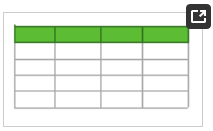
Among the NARM-trained trauma therapists in this study, the average ProQOL 5 score in the compassion satisfaction domain was 36.92 (IQR = 29, 44). Most respondents scored moderate (n = 11), some scored high (n = 1), and none scored low in this domain (see Table 1). The NARM-trained trauma therapists in this study fell within the moderate range of compassion satisfaction.
Table 1 Participant frequency of ProQOL 5 scores (N = 13).
3.2 Burnout
NARM-trained trauma therapists in this study had a burnout ProQOL-5 score (see Table 2) of 23.46 (IQR = 20, 28). In the burnout domain, no respondents scored high; most scored moderate (n = 8), and some scored low (n = 5; Table 1). The participants in this study fell within the moderate range of burnout.
Table 2 Participant ProQOL 5 Mean Scores.
3.3 Secondary Traumatic Stress
Participants’ median ProQOL 5 secondary traumatic stress domain score was 23.54 (IQR = 17, 30). In the secondary traumatic stress domain, no participants scored high; most scored moderate (n = 9), and some scored low (n = 4; Table 1). Study participants fell within the moderate secondary traumatic stress range.
Together, the NARM-trained trauma therapists in this study reported moderate levels of compassion satisfaction, burnout, and secondary traumatic stress.
4. Discussion
4.1 The Role of the Theoretical Model of Compassion Satisfaction and Compassion Fatigue
The Theoretical Model of Compassion Satisfaction and Compassion Fatigue [4] guided this study. This framework explains how trauma-focused clinical work can lead to both positive outcomes (compassion satisfaction) and negative outcomes (burnout and secondary traumatic stress). In this sample, NARM-trained therapists completed the ProQOL-5 and reported moderate levels of compassion satisfaction, burnout, and secondary traumatic stress. These findings align with previous research documenting similar patterns of professional quality-of-life outcomes among trauma-exposed clinicians [7,8].
The study results aligned with those of Burnett and Wahl [30]. Moderate CS scores are associated with moderate job satisfaction, which is positive for trauma therapists, as mental health providers in general, including trauma therapists, are regularly exposed to clients' traumatic experiences [30]. This pattern has also been observed among other helping professionals in high-demand settings, such as intensive care units [31]. Additionally, ProQOL scales are ordinal, meaning higher scores correspond to higher CS, which helps protect against BO and STS. Therefore, moderate scores indicate positive outcomes, as they are considered protective and increase with better outcomes. However, moderate STS scores suggest a need to monitor these therapists, as they are at risk for CF and overall poor professional quality of life. Moderate CS, along with BO and STS scores, can be viewed as positive with room for improvement.
Trauma therapists recognize that CF can be a risk in their work that requires their attention [30]. This means they may feel joy in helping, but as trauma therapists, they understand that this can lead to prolonged exposure to clients’ traumatic stressors. Through their own meaning-making, support systems, training, and work-life balance, they can reduce this risk. Therefore, it is possible that the sampled trauma therapists experience moderate levels of CS while also facing moderate levels of STS and BO after engaging in this training, which can be viewed as positive.
Moderate compassion satisfaction may serve as a protective factor against the cumulative effects of trauma work, while moderate STS levels underscore the need for ongoing assessment and support, consistent with foundational research on compassion fatigue and vicarious trauma [32,33].
Evidence from the trauma-service workforce indicates that specialized trauma training and ongoing professional development improve clinician well-being and reduce compassion fatigue [7,8,27]. However, trauma models differ in philosophy, mechanisms of action, and training requirements. Very little research has examined clinician outcomes associated with somatically oriented, relational models such as NARM. This study offers initial insights into how clinicians trained in a neurobiologically informed, attachment- and regulation-focused approach perceive their professional quality of life.
4.2 Implications for Trauma Therapists
Trauma-exposed clients are common in community mental health settings, yet many practitioners feel inadequately prepared for trauma-specific work, which can lead to burnout, emotional exhaustion, and secondary traumatic stress [5,25,26]. In this study, NARM-trained clinicians reported moderate levels of compassion satisfaction, burnout, and secondary traumatic stress. Although this design cannot establish causality, the findings suggest that trauma-focused training may offer some protection against adverse occupational outcomes [4,7,8].
Differences in professional education and licensure can also lead to variability in scores. Psychologists typically complete doctoral-level clinical training with extensive supervised practice, whereas social workers typically earn master's degrees with a broader focus on systems, policy, and generalist practice. These differences may affect preparedness for trauma-heavy caseloads and influence vulnerability to burnout [25].
Workplace context is another important factor that affects burnout. Burnout arises not only from trauma exposure but also from organizational issues such as caseload size, administrative workload, resource availability, and access to supervision [15]. Research shows that clinicians in private practice report lower burnout than those in agency or nonprofit settings [28]. Because this study did not examine workplace characteristics, some differences in burnout scores might reflect variations in employment settings rather than training effects alone. Future research should investigate both training and organizational factors together.
Overall, these findings suggest that trauma-focused training, disciplinary background, and workplace environment all influence the professional quality of life among trauma therapists. These factors remain essential areas for future research to improve workforce sustainability in trauma-exposed settings.
4.3 Limitations
Several limitations warrant consideration. The small sample size (n = 13) limits generalizability. Mean substitution for missing data may introduce bias, and subjective training experiences were not measured. The absence of a comparison group restricts interpretation, and the cross-sectional design precludes causal conclusions. Additional factors not measured in this study, including disciplinary differences [25], organizational context [15], and workplace setting [28], may also have influenced outcomes.
4.4 Implications for Future Research
Future research should use larger, more diverse samples to better evaluate how trauma-focused training affects clinician well-being. Longitudinal or quasi-experimental designs would enable more definitive conclusions about training’s impact over time. Qualitative methods could provide deeper insight into clinicians’ personal experiences with NARM and other models. Comparative studies examining somatic therapies (e.g., NARM, SE) alongside cognitive approaches (e.g., CBT) might identify which modalities foster resilience or reduce secondary traumatic stress. Researchers should also explore moderators such as resilience, personal trauma history, and organizational factors, which influence burnout and STS risk [25,28].
5. Conclusion
This study offers initial insights into the professional quality of life among NARM-trained trauma therapists. The findings align with broader evidence that trauma-specific training can reduce secondary traumatic stress and enhance clinician resilience [7,8]. However, burnout is influenced by contextual factors beyond training. Organizational stressors, including workload, administrative responsibilities, and professional independence, strongly shape burnout risk and may account for some of the differences observed in this sample [15,25,28]. Because workplace characteristics were not examined, their role remains uncertain.
These results underscore the importance of research that integrates individual factors, such as training, with systemic factors, such as the organizational environment, to better understand and improve the conditions that support sustainable trauma-focused practice. Enhancing clinician well-being requires attention not only to the training therapists receive but also to the settings in which they work.
Author Contributions
Dr. Vasquez was responsible for study design, project development, data collection, and writing and editing. Dr. Bowie-Viverette conducted data analysis, writing, and editing.
Competing Interests
The authors have declared that no competing interests exist.
Additional Materials
The following additional materials are uploaded at the page of this paper.
References
- Armes SE, Lee JJ, Bride BE, Seponski DM. Secondary trauma and impairment in clinical social workers. Child Abuse Negl. 2020; 110: 104540. [CrossRef] [Google scholar]
- Maurya RK, DeDiego AC. Exploring the relationship between secondary traumatic stress, professional identity and career factors for counsellors. Couns Psychother Res. 2024; 24: 199-208. [CrossRef] [Google scholar]
- Rayner S, Davis C, Moore M, Cadet T. Secondary traumatic stress and related factors in Australian social workers and psychologists. Health Soc Work. 2020; 45: 122-130. [CrossRef] [Google scholar]
- Stamm BH. The concise ProQOL manual [Internet]. Pocatello, ID: ProQOL.org.; 2010. Available from: https://www.illinoisworknet.com/WIOA/Resources/Documents/The-Concise-ProQOL-Manual.pdf.
- Cieslak R, Shoji K, Douglas A, Melville E, Luszczynska A, Benight CC. A meta-analysis of the relationship between job burnout and secondary traumatic stress among workers with indirect exposure to trauma. Psychol Serv. 2014; 11: 75-86. [CrossRef] [Google scholar]
- Waegemakers Schiff J, Lane AM. PTSD symptoms, vicarious traumatization, and burnout in front line workers in the homeless sector. Community Ment Health J. 2019; 55: 454-462. [CrossRef] [Google scholar]
- Craig CD, Sprang G. Compassion satisfaction, compassion fatigue, and burnout in a national sample of trauma treatment therapists. Anxiety Stress Coping. 2010; 23: 319-339. [CrossRef] [Google scholar]
- Cummings C, Singer J, Hisaka R, Benuto LT. Compassion satisfaction to combat work-related burnout, vicarious trauma, and secondary traumatic stress. J Interpers Violence. 2021; 36: NP5304-NP5319. [CrossRef] [Google scholar]
- Kerig PK. Enhancing resilience among providers of trauma-informed care: A curriculum for protection against secondary traumatic stress among non-mental health professionals. J Aggress Maltreat Trauma. 2019; 28: 613-630. [CrossRef] [Google scholar]
- Sprang G, Steckler Z. Traumatic stress symptom expression following indirect exposure: A multidisciplinary investigation. Traumatology. 2023; 29: 224-232. [CrossRef] [Google scholar]
- Aminihajibashi S, Skar AM, Jensen TK. Professional wellbeing and turnover intention among child therapists: A comparison between therapists trained and untrained in Trauma-Focused Cognitive Behavioral Therapy. BMC Health Serv Res. 2022; 22: 1328. [CrossRef] [Google scholar]
- Johnson J, Hall LH, Berzins K, Baker J, Melling K, Thompson C. Mental healthcare staff well‐being and burnout: A narrative review of trends, causes, implications, and recommendations for future interventions. Int J Ment Health Nurs. 2018; 27: 20-32. [CrossRef] [Google scholar]
- Schilling EJ, Randolph M, Boan-Lenzo C. Job burnout in school psychology: How big is the problem? Contemp Sch Psychol. 2018; 22: 324-331. [CrossRef] [Google scholar]
- Laverdière O, Kealy D, Ogrodniczuk JS, Chamberland S, Descôteaux J. Psychotherapists’ professional quality of life. Traumatology. 2019; 25: 208-215. [CrossRef] [Google scholar]
- Maslach C, Schaufeli WB, Leiter MP. Job burnout. Annu Rev Psychol. 2001; 52: 397-422. [CrossRef] [Google scholar]
- Heller L, LaPierre A. Healing developmental trauma: How early trauma affects self-regulation, self-image, and the capacity for relationship. North Atlantic Books; 2012. [Google scholar]
- The Complex Trauma Training Center. NARM Therapist Training [Internet]. Utica, CA: The Complex Trauma Training Center, LLC. Available from: https://cttc.kartra.com/page/Spring2026.
- Vasquez J. The impact of vicarious trauma exposure on the professional sustainability of trauma therapists. Prof Dev. 2024; 27: 272047. [Google scholar]
- Vasquez J. The Impact of the NeuroAffective Relational Model (NARM) on Client Agency. Stud Clin Soc Work. 2025; 95: 1-20. [CrossRef] [Google scholar]
- Vasquez J, Bowie-Viverette AC. Trauma & The case for utilizing NARM therapy in clinical social work: Implications for practice, compassion fatigue, & burnout. Clin Soc Work J. 2024. doi: 10.1007/s10615-024-00973-8. [CrossRef] [Google scholar]
- Vasquez J, Bowie-Viverette AC. Compassion fatigue and compassion satisfaction among NeuroAffective Relational Model Therapists: How NARM serves as a protective factor for trauma therapists. Soc Work Soc Sci Rev. 2025. doi: 10.1921/swssr22326. [CrossRef] [Google scholar]
- Shapiro F. Eye movement desensitization and reprocessing (EMDR) therapy: Basic principles, protocols, and procedures. 3rd ed. New York, NY: Guilford Publications; 2018. [Google scholar]
- Gutermann J, Schreiber F, Matulis S, Schwartzkopff L, Deppe J, Steil R. Psychological treatments for symptoms of posttraumatic stress disorder in children, adolescents, and young adults: A meta-analysis. Clin Child Fam Psychol Rev. 2016; 19: 77-93. [CrossRef] [Google scholar]
- Cloitre M, Courtois CA, Charuvastra A, Carapezza R, Stolbach BC, Green BL. Treatment of complex PTSD: Results of the ISTSS expert clinician survey on best practices. J Trauma Stress. 2011; 24: 615-627. [CrossRef] [Google scholar]
- Acker GM. Burnout among mental health care providers. J Soc Work. 2012; 12: 475-490. [CrossRef] [Google scholar]
- Bride BE. Prevalence of secondary traumatic stress among social workers. Soc Work. 2007; 52: 63-70. [CrossRef] [Google scholar]
- Tosone C, Nuttman-Shwartz O, Stephens T. Shared trauma: When the professional is personal. Clin Soc Work J. 2012; 40: 231-239. [CrossRef] [Google scholar]
- Rupert PA, Morgan DJ. Work setting and burnout among professional psychologists. Prof Psychol Res Pract. 2005; 36: 544-550. [CrossRef] [Google scholar]
- Tominaga Y, Goto T, Shelby J, Oshio A, Nishi D, Takahashi S. Secondary trauma and posttraumatic growth among mental health clinicians involved in disaster relief activities following the 2011 Tohoku earthquake and tsunami in Japan. Couns Psychol Q. 2020; 33: 427-447. [CrossRef] [Google scholar]
- Burnett Jr HJ, Wahl K. The compassion fatigue and resilience connection: A survey of resilience, compassion fatigue, burnout, and compassion satisfaction among trauma responders. International J Emerg Ment Health Hum Resil. 2015; 17: 318-326. [CrossRef] [Google scholar]
- Lee H, Baek W, Lim A, Lee D, Pang Y, Kim O. Secondary traumatic stress and compassion satisfaction mediate the association between stress and burnout among Korean hospital nurses: A cross-sectional study. BMC Nurs. 2021; 20: 115. [CrossRef] [Google scholar]
- Figley CR. Compassion fatigue: Coping with secondary traumatic stress disorder in those who treat the traumatized. Brunner/Mazel; 1995. [Google scholar]
- Pearlman LA, Saakvitne KW. Trauma and the therapist: Countertransference and vicarious traumatization in psychotherapy with incest survivors. W.W. Norton & Company; 1995. [Google scholar]